Car Rental in Morocco
Renting a car in Morocco is the smartest way to experience the country on your own terms. Whether you're flying into Casablanca Mohammed V Airport (CMN), Marrakech Ménara (RAK), or Agadir Al Massira (AGA), having your own vehicle means you can chase sunsets in Essaouira, drive the High Atlas mountain passes, or detour to the blue streets of Chefchaouen without depending on tour buses or expensive private drivers.
Why Rent a Car in Morocco?
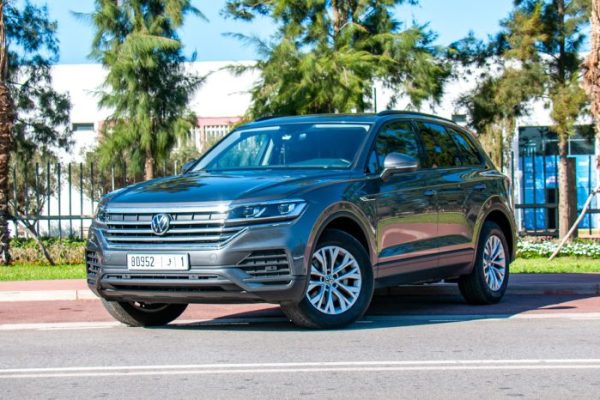
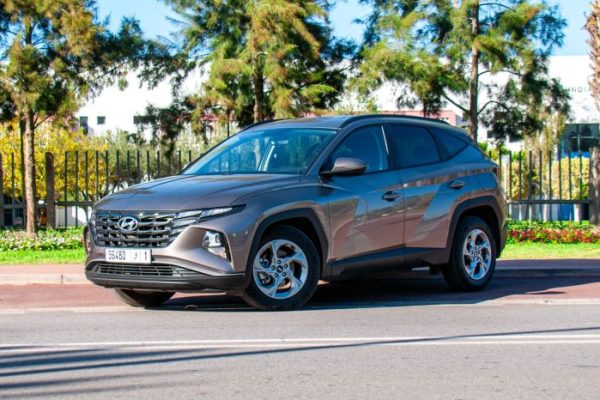
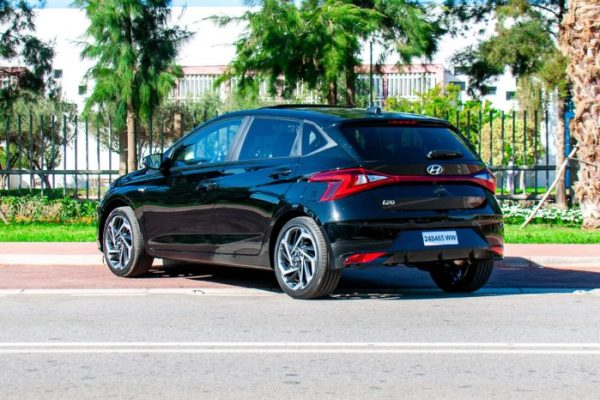
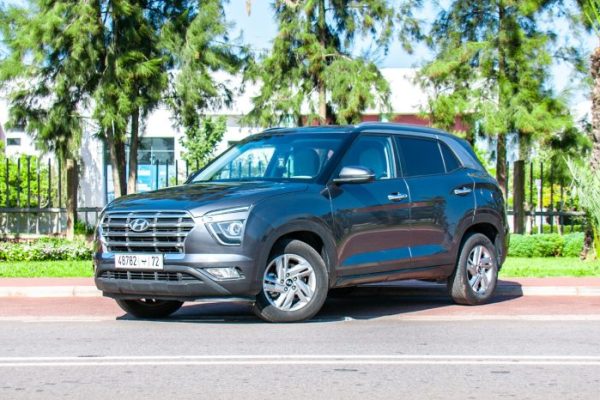
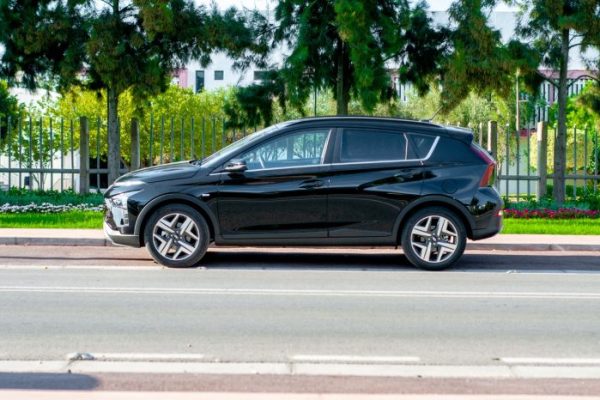
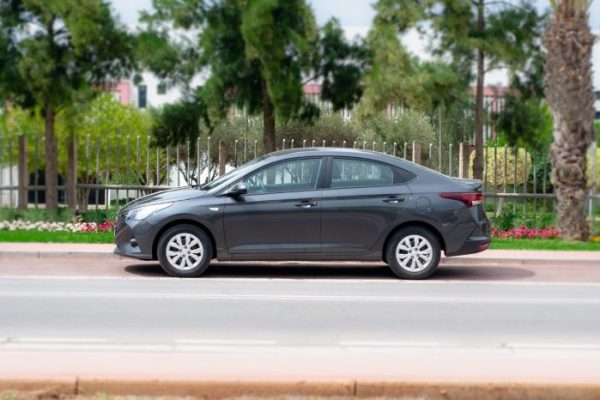
Morocco is a country built for road trips. The distances between its most iconic destinations, Marrakech to the Sahara, Fez to Chefchaouen, Casablanca to Essaouira are too long for day trips and too inflexible for public transport. Renting a car in Morocco typically costs less than half of what you'd pay for the same itinerary using private transfers, and gives you the freedom to stop at roadside Berber villages, argan oil cooperatives, and ocean viewpoints that simply aren't on any guided itinerary. Our fleet includes economy hatchbacks for city driving, automatic cars for travelers who don't drive manual, and 4x4 SUVs for anyone heading toward Merzouga, the Anti-Atlas, or the more remote stretches of the Atlantic coast.
Pick Up Locations Across Morocco
We offer car rental with pickup and delivery at every major Moroccan airport and city center
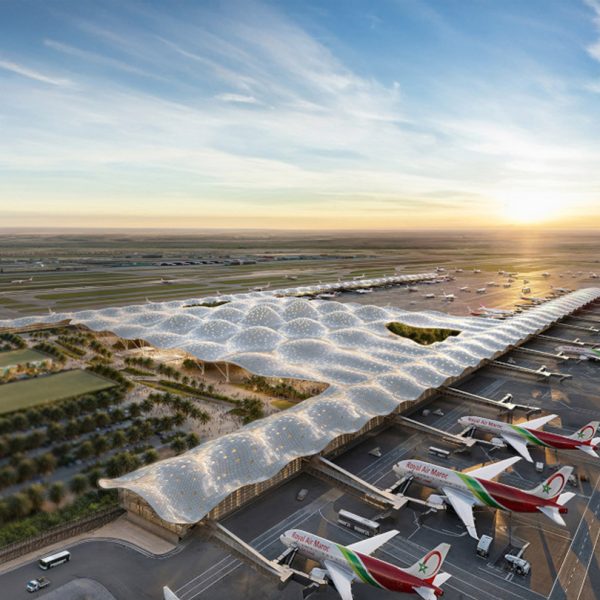
Mohammed V Airport (CMN), city center, train station
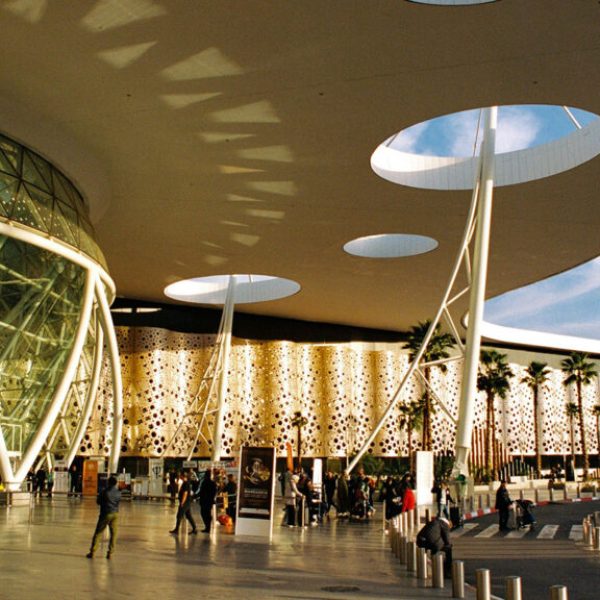
Ménara Airport (RAK), Gueliz, Medina hotels
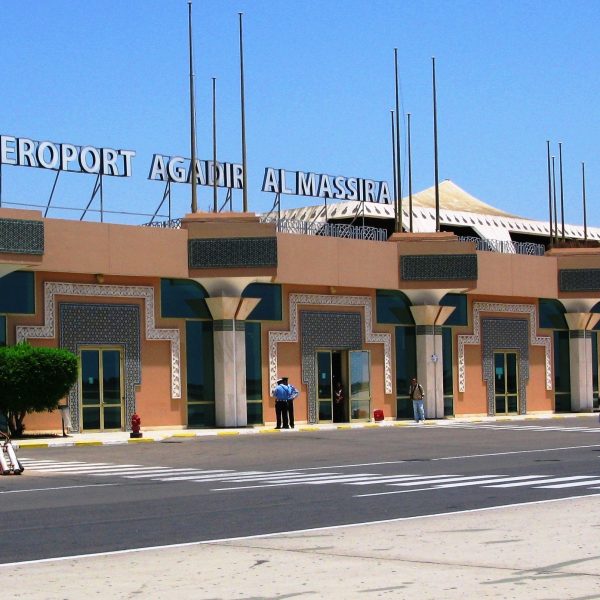
Al Massira Airport (AGA), beachfront hotels
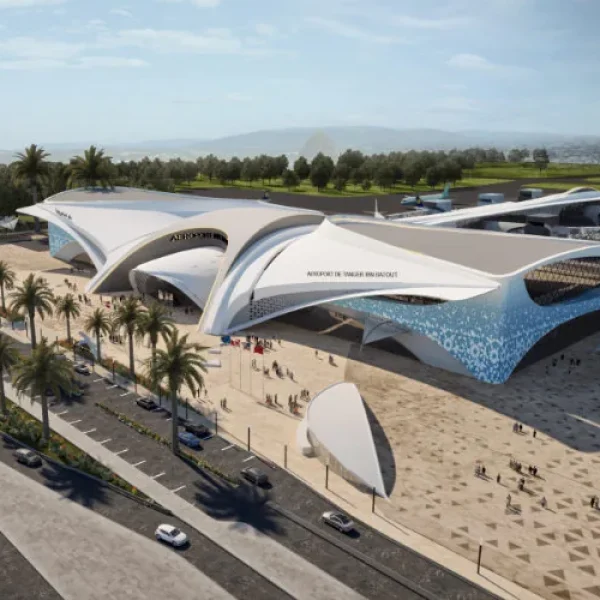
Ibn Battouta Airport (TNG), port, Tangier Med
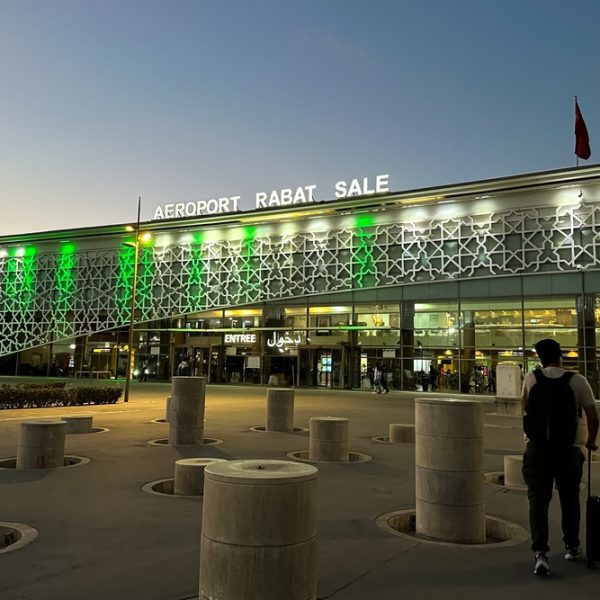
Salé Airport or Rabat–Salé Airport (IATA: RBA )
What You Need To Know Before Renting A Car In Morocco
- A valid driving license held for at least one year (most international licenses are accepted; an International Driving Permit is recommended but not strictly required for licenses in Latin alphabets) - A passport or national ID - A credit card in the driver's name for the security deposit (some of our vehicles are available with no deposit or cash payment on arrival)
The minimum driver age is generally 21, with a young driver surcharge for drivers under 25 on certain vehicle categories.
Driving In Morocco .. What To Expect
Moroccan roads are in surprisingly good condition. The motorway network connecting Tangier, Rabat, Casablanca, Marrakech, and Agadir is modern, well-signposted in Arabic and French, and tolled at reasonable rates. Outside the motorways, national roads (routes nationales) are paved and well-maintained, though mountain roads in the Atlas and Rif require careful driving.
Few Things Worth Knowing
Fuel prices in Morocco are moderate by European standards.
- Diesel (gasoil) is widely available and cheaper than petrol (essence)
- Speed limits are 120 km/h on motorways, 100 km/h on national roads, and 40–60 km/h in urban areas. Radar checks are common
respect the limits. Police checkpoints are routine, especially at city entrances. Slow down, smile, have your documents ready. Most checks are over in 30 seconds
City driving in Marrakech and Fez medinas can be intense. Park outside the old city walls and walk in. Night driving outside cities is best avoided due to unlit roads and occasional livestock on rural routes.